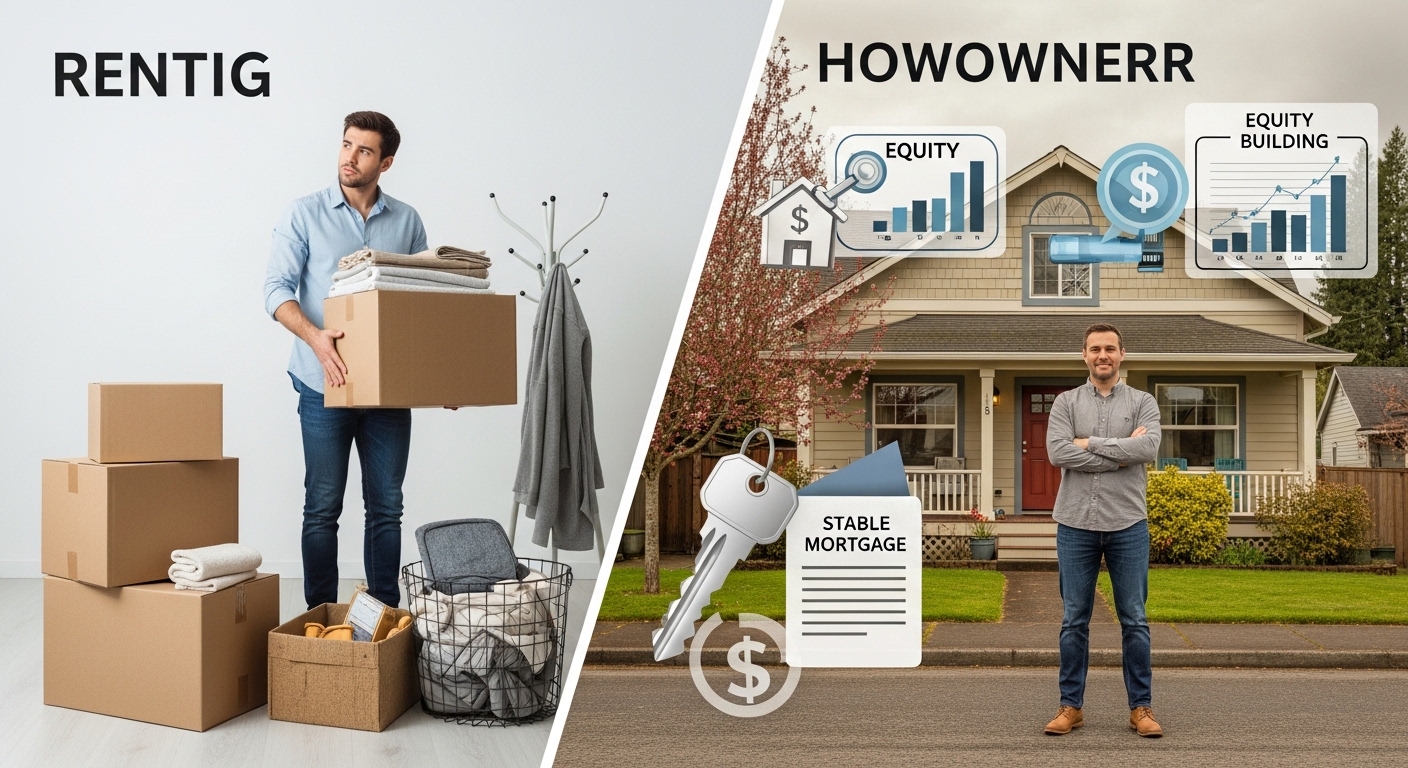
One of the biggest obstacles to homeownership has always been that down payment. For most people, saving 20% for a down payment feels impossible, especially when homes in your area are climbing in value. But here's something that might surprise you: buying a home with little to no money down is not only possible in 2026, it's more accessible than many people realize.
As a real estate agent here in Newberg, Oregon, I've worked with countless buyers who thought the down payment requirement would keep them out of homeownership. The good news is that several legitimate loan programs exist that can help you purchase a home with zero dollars down. Let me walk you through your options and show you how to qualify.
VA Loans: The Best Zero Down Option for Veterans
If you've served in the military, you have access to what might be the best mortgage program available. VA loans let you finance 100% of the house price with no down payment at all. This is a significant advantage because you're getting full financing without the burden of mortgage insurance.
Only homebuyers who are military veterans, current military members or their spouses can qualify for a VA loan, and applicants need to meet certain service requirements as well as obtain a Certificate of Eligibility from the VA. Getting your Certificate of Eligibility is straightforward and can be done through the VA website.
What makes VA loans particularly attractive is the lack of mortgage insurance. VA loans don't require monthly mortgage insurance, instead they include a one-time VA funding fee which typically ranges from about 1.25% to 3.3% of the loan amount, depending on factors like your down payment, whether it's your first time using a VA loan, and your service history. Many buyers roll this fee into the loan rather than paying it upfront.
USDA Loans: Zero Down for Rural and Suburban Areas
Here's where things get interesting for Newberg buyers. The USDA loan is one of the most popular zero down payment options, and it's made for buyers in eligible rural and suburban areas. The key word here is "eligible"—and Newberg qualifies.
What many people don't realize is that USDA loans are often misunderstood as being only for rural properties, but in reality, many suburban homes also qualify. Newberg is one of several areas within an hour drive of Portland that are eligible for USDA financing. So if you're looking to buy in our community, you may well be eligible for a USDA loan.
USDA loans require no down payment and offer low mortgage insurance compared to other programs. However, there are qualification requirements you'll need to meet.
First, there's the income requirement. Household income must generally be below 115% of the area median. Second, the USDA does not set a minimum credit score, but most lenders require 640 or higher. Third, the home must be your primary residence; investment properties aren't allowed.
One advantage of USDA loans that many buyers overlook: the USDA mortgage even allows the seller to pay your closing costs. This can make the process even more affordable for buyers working with limited cash.
FHA Loans: Nearly Zero Down Payment
While FHA loans aren't technically zero down, they're close enough to mention because they open the door to homeownership for many people who don't qualify for VA or USDA programs. For 2026, the minimum down payment for FHA loans is 3.5%, provided you meet the credit standard of 580 FICO or above.
The advantage of FHA loans is their flexibility with credit scores and debt levels. FHA loans are the most flexible with credit scores, often allowing scores as low as 580. They're particularly popular among first-time homebuyers, and there are actually programs designed to help you cover that 3.5% down payment.
Some programs offer eligible applicants 3.5% of the purchase price to cover the down payment in the form of a zero-interest second mortgage with a 30-year term that will be forgiven if the borrower makes 36 consecutive, on-time payments on the first mortgage.
Down Payment Assistance Programs
Beyond these government-backed loans, there are various assistance programs available. Down payment assistance programs typically provide assistance through grants, forgivable loans, deferred payment loans, or low-interest second mortgages, with assistance amounts varying widely from a few thousand dollars to $50,000 in high-cost markets, and the average DPA recipient receiving $10,000 to $15,000.
These programs often focus on first-time homebuyers and may have income or occupational requirements. Because they vary by state and locality, it's worth investigating what's available in Oregon specifically.
Getting Qualified: What Lenders Want to See
Whether you're pursuing a VA, USDA, or FHA loan, lenders will evaluate your ability to repay. Qualifying for no-down-payment home loans often depends on factors like credit score, income limits, and debt-to-income ratio.
Your debt-to-income ratio is particularly important. This is calculated by dividing your total monthly debt payments by your gross monthly income. For FHA loans, the amount you spend on monthly payments needs to be reasonable compared to your monthly income, and typically your ratios need to be less than 43%, but it is possible for them to be higher.
Beyond these numbers, lenders want to see:
- Stable employment history (typically at least two years)
- A solid payment history on credit accounts
- Reasonable savings for closing costs (or assistance programs to cover them)
- For USDA loans specifically, eligibility in a qualified rural or suburban area
The Reality of Zero Down Ownership
I want to be transparent about what zero down means for your finances. Without skin in the game, you're 100% leveraged—monthly payments balloon 10-20% higher due to larger principal, accruing $50,000+ extra interest over 30 years versus 20% down.
Additionally, VA and USDA loans include fees or insurance premiums that add to your costs. But here's the counterpoint: over 200,000 buyers closed zero-down deals in 2025, per Mortgage Bankers Association estimates, a trend projected to grow 5-7% in 2026 as wage growth outpaces living expenses. For many of these buyers, getting into a home now makes more financial sense than waiting years to save a down payment while rents increase and home values rise.
How I Can Help You Navigate This
As your real estate agent here in Newberg, my role is to help you understand which programs you might qualify for and connect you with the right lender. If you're interested in a USDA loan, I know our area well and can help you identify eligible properties. If you're a veteran, I can point you toward VA loan specialists. If you're a first-time buyer considering FHA, I can explain the process and what to expect.
The first step is having a conversation with a mortgage lender who specializes in these programs. They'll review your specific situation—your credit score, income, employment history, and debt—to determine what you qualify for.
Once you have pre-approval in hand, that's when you and I can get to work finding the right home. I recommend using HOUSEJET to search for available properties in our area. You'll have access to current listings, and I can help you evaluate which ones fit your timeline and budget.
Your Path Forward
The reality is that homeownership without a down payment is achievable if you know where to look. Whether it's through a VA loan, a USDA program here in the Newberg area, an FHA loan, or a combination of programs with down payment assistance, options exist for qualified buyers.
The barrier isn't always money—sometimes it's just information and guidance. That's what I'm here for. If you've ever thought the down payment requirement made homeownership impossible, I'd encourage you to reach out. Let's talk about your situation and explore what programs you might qualify for. Homeownership might be closer than you think.
Ready to take the next step? Let's discuss your goals and get you connected with a lender who can evaluate your specific circumstances. The path to owning a home in Newberg starts with a conversation.